Cold weather Photography #393
 Hey Everyone! Hope everyone is doing well. Me? Cold! Waiting for a winter Ice Storm to roll though and thought I would write a blog about cold weather photography. Now if you're like me you don't like the cold weather. I think the older I get the colder I get. So the first thing I want to cover is how to keep warm when you are out shooting in the cold.
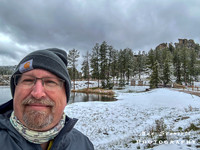
Protecting you! Protecting yourself and keeping comfortable will make for much better photographs . The more uncomfortable you are the less you concentrate on taking photographs and more on how to get warm or how to get out of the weather that you are in. First of all you want to dress in layers. Here is a link of a blog I wrote years ago on the subject. Winter Photography, Dressing The Part. Dressing in layers makes it much easier to keep a comfortable temperature being able to add or subtract layers as conditions change. Proper head wear is also a great way to stay warm with hats and hoods to keep warm. One thing that I found that really keeps me warm is a scarf or neck gator that keeps the wind off of your neck. When working with a cold camera gloves are a must. There are photography specific gloves where your fingers can poke out to make adjustments and touch screen actions then you can move them back into the glove to keep warm. Another way to keep hands and figures warm is with hand
 warmers. You can get these at Walmart or any Sporting goods store. They are usually little pouches that you shake up and the chemicals inside get warm. These are great to have in your pockets. I have some electric ones that you charge up and you can control how warm they get. Insulated shoes or boots also help. If you're like me when my feet get cold I'm done. So I have some insulated boots that keep my feet toasty and warm. They also make shoe or feet warmers much like the hand warmers that you put into your shoes to keep your feet toasty.
Camera Equipment, When shooting in the cold protecting your camera and lenses are key. First let's talk about batteries. Batteries don't last as long in the cold and changing frequently is expected so keep spares
 handy and warm. A good tip is to keep batteries in a warm inner pocket of coat or inner layer to keep spare batteries warm. Sometimes you can take an exhausted battery and warm it up and it will work again. Changing temperatures can be harmful for cameras. Moisture can accumulate when going from extremes especially going from cold outside to a warm inside. When coming into a warm area like after your shoot it is advisable to keep your camera in the bag for a hour or so before you get it out and start changing batteries and cards. Moisture from the warm house will be attracted to the cold metal parts of your camera much like a glass of ice tea on a hot summers day and condensation will accumulate on the glass. Letting the camera acclimate to the colder weather will also help to keep your lenses from fogging up . Taking a warm camera into a cold environment will make lenses fog up. Now depending on how cold it is outside may affect the way your camera will operate. Sometimes it will affect the back display and it won't work. It's a good idea to look up your camera and see what the cold limits are. Different brands have different limits. The limits to my Sony is 14 degrees F to 104 degrees F. But I have seen reports where the camera worked beyond these limits. But check your camera.
Well that's enough jabbering for today. Until Next week Get out and Shoot!
Hey if you want to check out my photography go to my instagram account Max Stansell Photography there are over 2000 posts there. Here is the link
Max Stansell Photography Instagram Link
